Heat pump or new boiler? An honest decision tree
Six questions to work through before you decide whether to replace a tired boiler with another gas combi or switch to an air source heat pump.
People ask us this almost weekly: my boiler is on its last legs, should I swap it for another combi or take the plunge on a heat pump? The honest answer is “it depends,” and these six questions are the ones we work through with every customer.
1. How old is the property’s insulation?
If you’ve had loft insulation, cavity-wall insulation, and double-glazing done in the last 15 years, your house is probably ready for a heat pump. Newer properties (post-2008) almost certainly are.
If you’re in a solid-wall Victorian terrace with original sash windows, the heat pump will work, but it’ll work harder, run more, and cost you more in electricity than the calculations suggest. We’d usually recommend insulating first, then revisiting the heat pump conversation.
2. How big is the family, and how is the hot water demand?
Heat pumps work best with a vented hot-water cylinder: they heat water lower and slower than gas. For a household of 1–3 people in a 1–3 bedroom home, a 200L cylinder is plenty. For 4+ people running multiple bathrooms, you may need 250L+ which means finding cupboard space.
If you currently have a combi (no cylinder), switching to a heat pump means finding a cupboard for the cylinder (typically 60×60×170 cm). For some flats and small terraces, that’s a non-starter.
3. Where would the outdoor unit go?
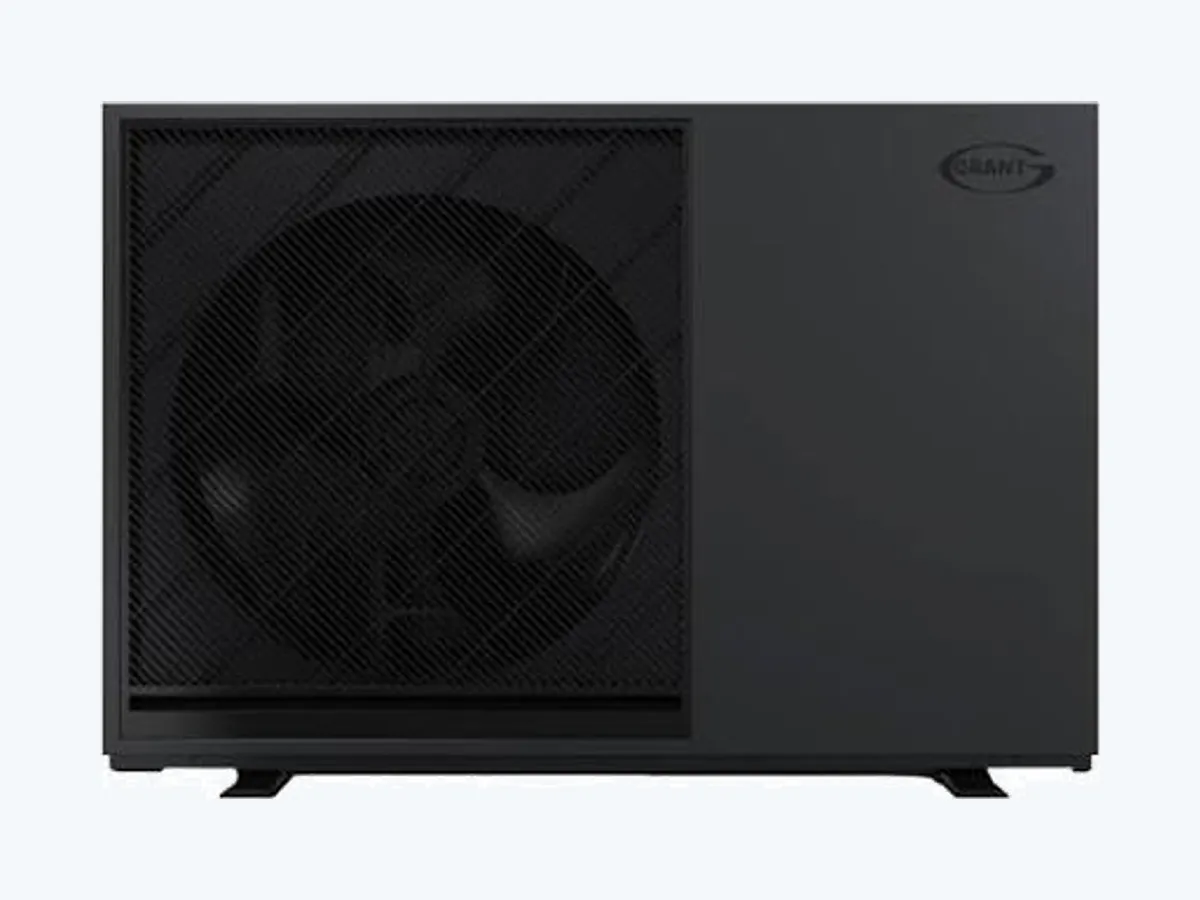
Heat pumps need an outdoor unit roughly the size of a small chest freezer mounted at ground level (or, less commonly, on a wall bracket). It needs:
- 30 cm clear at the back (for the fan exhaust)
- 1 m clear in front
- Drainage at the base for condensate
- Not within 1 m of a neighbour’s window (if planning approval is needed)
For most Cardiff homes, terraced included, there’s somewhere it’ll go. But it’s worth checking before the survey.
4. What’s your current gas bill in January?
A rough rule: if your January gas bill is under £180, your house is small or well-insulated enough that a heat pump should run cheaply too. £180–£280 and you’re in the middle: savings or losses depend on tariff. Over £280 and you’ll likely need radiator upgrades or insulation work to avoid running the heat pump on its inefficient backup mode.
5. How long are you staying?
Heat pumps pay back over 8–12 years in a typical Cardiff home, sooner if you’re on a smart EV/heat-pump tariff like Octopus Cosy or Intelligent Go. If you’re moving in under 5 years, the financial argument doesn’t really land. The environmental argument still does, but be honest with yourself about the timeframe.
6. Are you eligible for the BUS grant?
The grant is straightforward: owner-occupied or owner-let, gas/oil/LPG/electric being replaced, valid EPC, MCS installer doing the work. How much you get depends on what you heat with now — £9,000 if that’s oil or LPG (until 31 March 2027), £7,500 on mains gas. We’ve written a separate article covering exactly how the grant flows. Worth reading before you commit.
How to think about the answers
If you said:
- Yes, mostly to all six → heat pump is probably the right call. Book a free survey.
- Mixed answers → high-efficiency gas combi (a Worcester Greenstar, Vaillant ecoTEC plus or Viessmann Vitodens) is the more sensible swap. You’ll save 25–30% on running cost vs an old boiler, with no disruption to hot water or radiator setup.
- Mostly no → fix insulation first. Then revisit in 2–3 years. There’s no benefit to forcing a heat pump into a house that isn’t ready.
What we’d actually recommend doing
The decision is too important to make from a blog. Book a free survey. It takes about an hour, you get a written report telling you which option suits your house best, and we’ll quote both side-by-side so you can compare. We don’t push heat pumps onto homes that aren’t right for them.
The point of the survey is to give you the actual numbers for your property, not the average for Cardiff, not what your neighbour got. A house-by-house question with a house-by-house answer.